
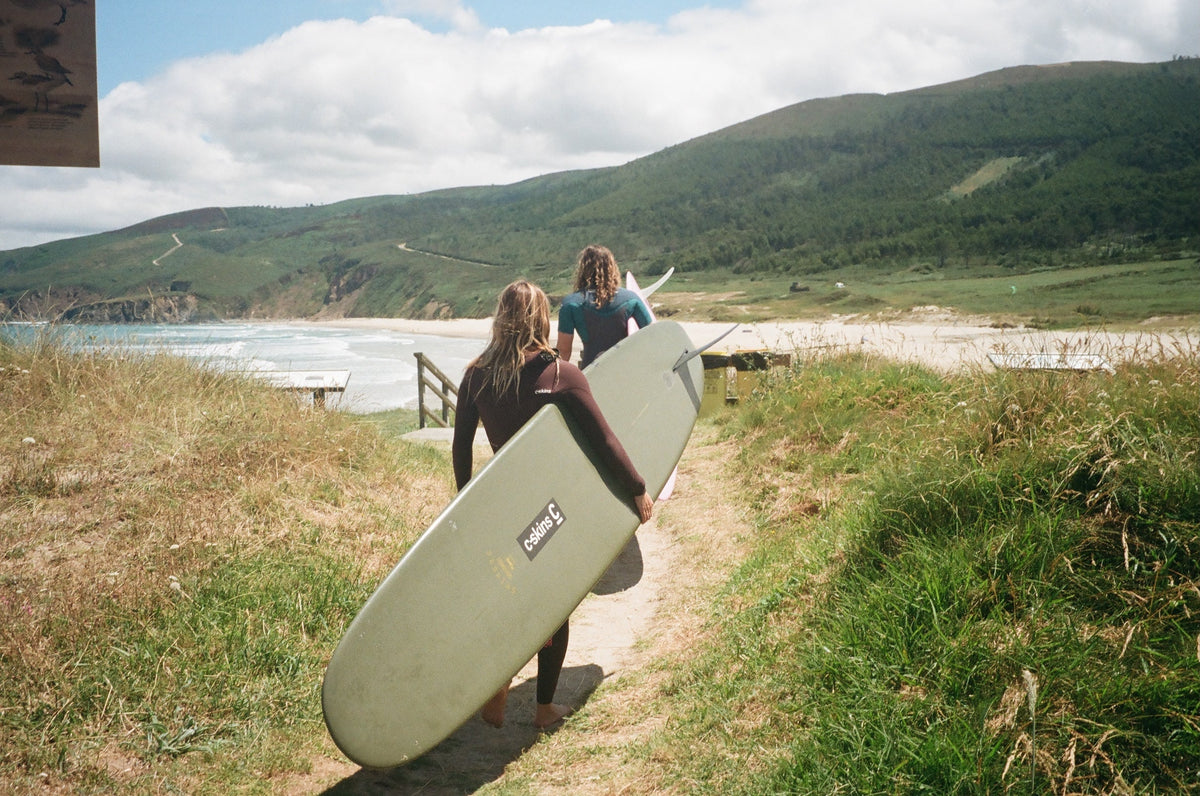
This summer, pro surfer Beth Leighfield traded the airport for the open road, swapping short-haul flights for the Plymouth to Santander ferry, and a boarding pass for a van packed with five longboards. Two trips, two competitions, and a whole lot learned along the way about van life, saltwater, and slowing down.
From heatwave nights and mosquito wars to crystal-clear coves and a week off the road in San Vicente, here's how she found her rhythm on the coast of northern Spain. One wave, and one wrong ferry queue, at a time.
We'll let Beth take it from here.

Written by Beth Leighfield
In the past 6 weeks I have been on two separate van missions to Europe from England.
Being a professional surfer, I end up flying over to Europe a lot for different competitions, but this year I made the decision to try and get the ferry for as many of these events as possible.
So in June and again in July I got the ferry from Plymouth to Santander, for two different surf competitions in Spain, one in Galicia and one in Asturias.
The first trip was a real case of figuring things out as we went; by the second trip, I felt like I'd fine-tuned van life, the packing list, and the destinations we wanted to hit up while we weren’t competing.
Why van over plane?
This decision felt like a win for 4 main reasons:
- No more airport board stress. It removed the flying stress about surfboards getting damaged before competitions. Anyone who has flown with a longboard knows the mental trauma you go through haha... There is nothing quite like handing over a board bag containing your competition board and spending the whole travel hoping it comes out the other end in one piece.
- Smaller footprint. As a professional surfer my carbon footprint isn’t something I'm proud of. I have been trying to reduce my short-haul flights this year, so where I could take the ferry instead, it felt like a much better option.
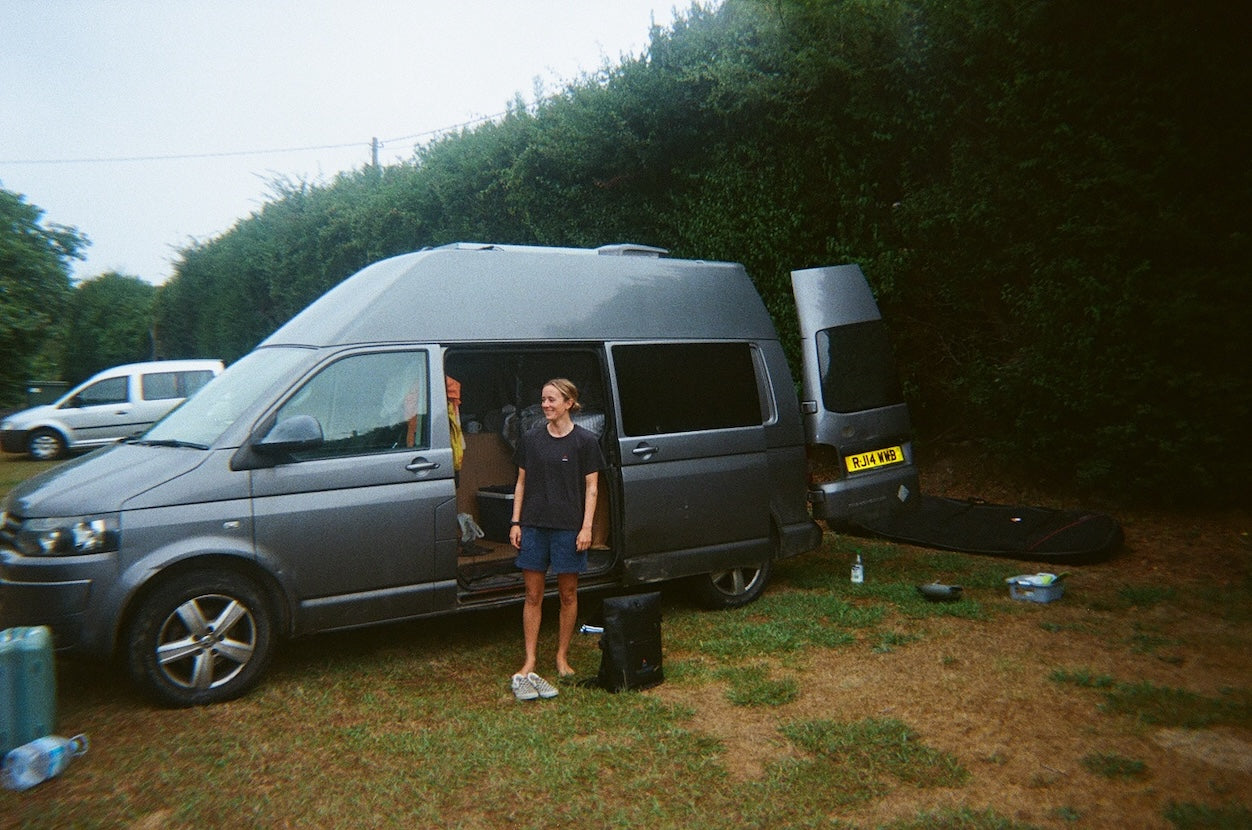
- The flexibility: bringing the van over on the ferry means mobile accommodation options wherever we go. We don’t have to worry about checking in to somewhere at a certain time, and if the surf is good a few hours away we can just move on and stay there instead!
- More surfboards! I could bring as many surfboards as possible. We managed to fit five longboards into the van, which in my opinion is a pretty compelling feat on its own.
Learning the hard way
The first trip was a bit of a learning curve, which feels funny to say at 27 when I already felt like a bit of a Europe surf summer trip pro. But it’s always good to be humbled, and this trip was no exception.
I think the main difference with these trips compared to a normal surf road trip was that the main aim was the surf competition, and the van life and exploration was the added bonus. We had somewhere we needed to be, we needed to be rested for competition days, and we couldn’t just completely follow the forecast and change our plans every few hours.
Turns out van life during a heat wave is HOT. Especially this summer, with the scary temperatures and the length each heat wave lasted. When the van has been sitting in the sun all day, it holds onto the heat for a very long time, and it doesn’t really matter how many doors you open when there is no breeze.
It also stays light for ages in Spain, which is amazing when you want to make the most of the evenings, but slightly less amazing when you are trying to get to sleep for a heat the next morning. If you like waking up early for a dawny session but also like being asleep by 10pm, you definitely need to think about how you are going to lightproof the van.
A top tip when getting the ferry (and I apologise because this may sound extremely obvious): make sure you're paying attention when they call you down to the vehicles. If you're in a high-top van, it turns out you're often one of the first off. So you really can't afford to zone out. We were sitting up playing cards waiting for the boat to dock. We even heard someone on the tannoy say something similar to our surname, but we thought, no, surely not; they definitely haven't said B4 yet (or so we thought). When we eventually made our way down, we were met with a queue of angry motorhomers behind us. Sorry to anyone who was on that journey with us...
5 things I would add to my packing list for the next trip:
By the second trip, I felt like I had levelled up a little bit. I knew what I actually needed, what I had overpacked and, more importantly, what I had completely forgotten the first time around.
Here are the five things I forgot to pack on my first trip but remembered on my second, and which genuinely levelled up the camping experience:
- Mosquito nets for the van. This one I cannot stress enough. If you’re like me, and any bites turn you into a giant polka dot, they are 100% worth the investment. You can find them online pretty cheap from around £30 (we actually ordered fly screens for house doors and then just chopped the bottom off to customise to our van door). They meant we could have the doors open to get some airflow without inviting every mosquito in Spain into the van, which after a few nights of being eaten alive felt like a pretty major upgrade. You can see them in action in the reel below.
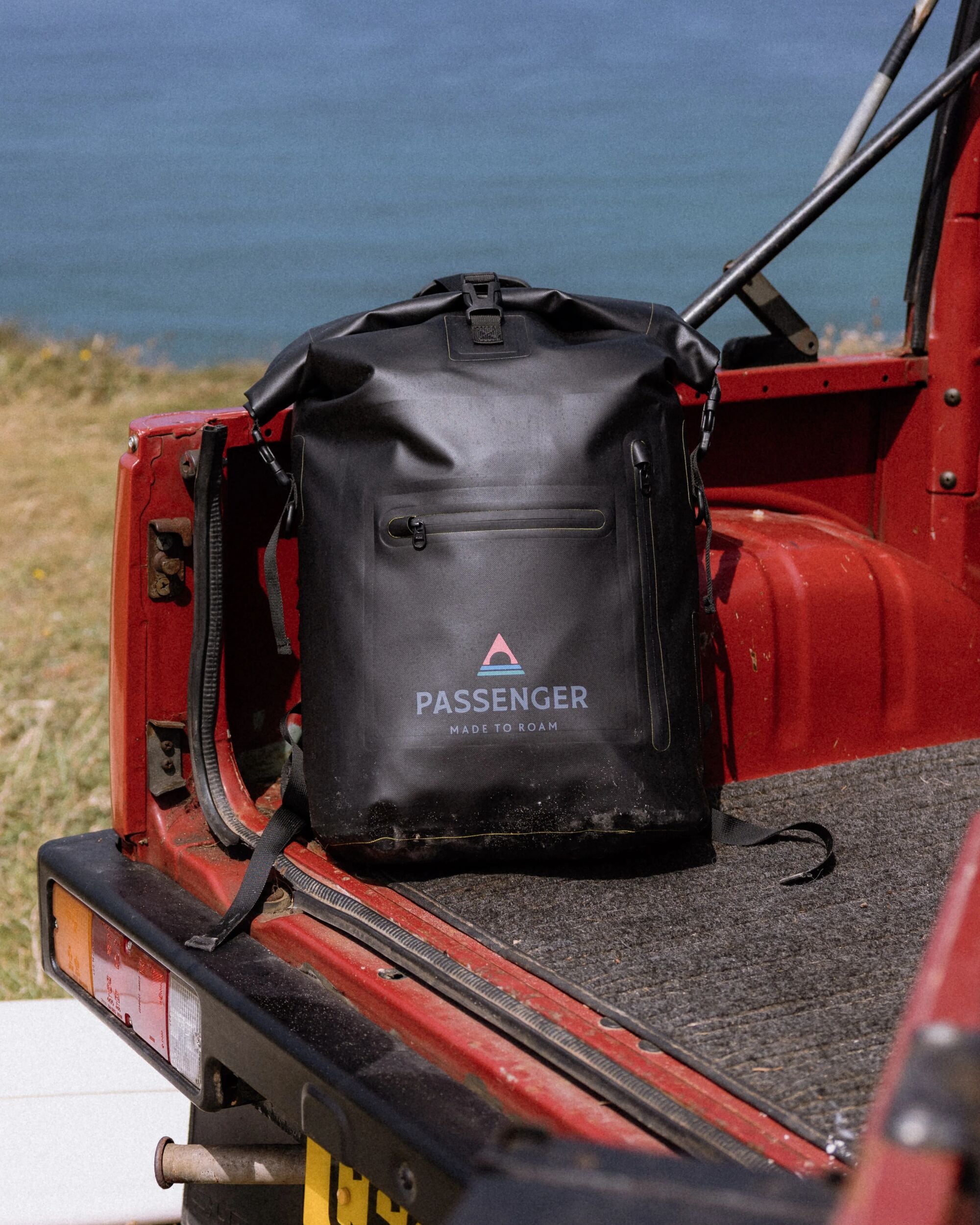
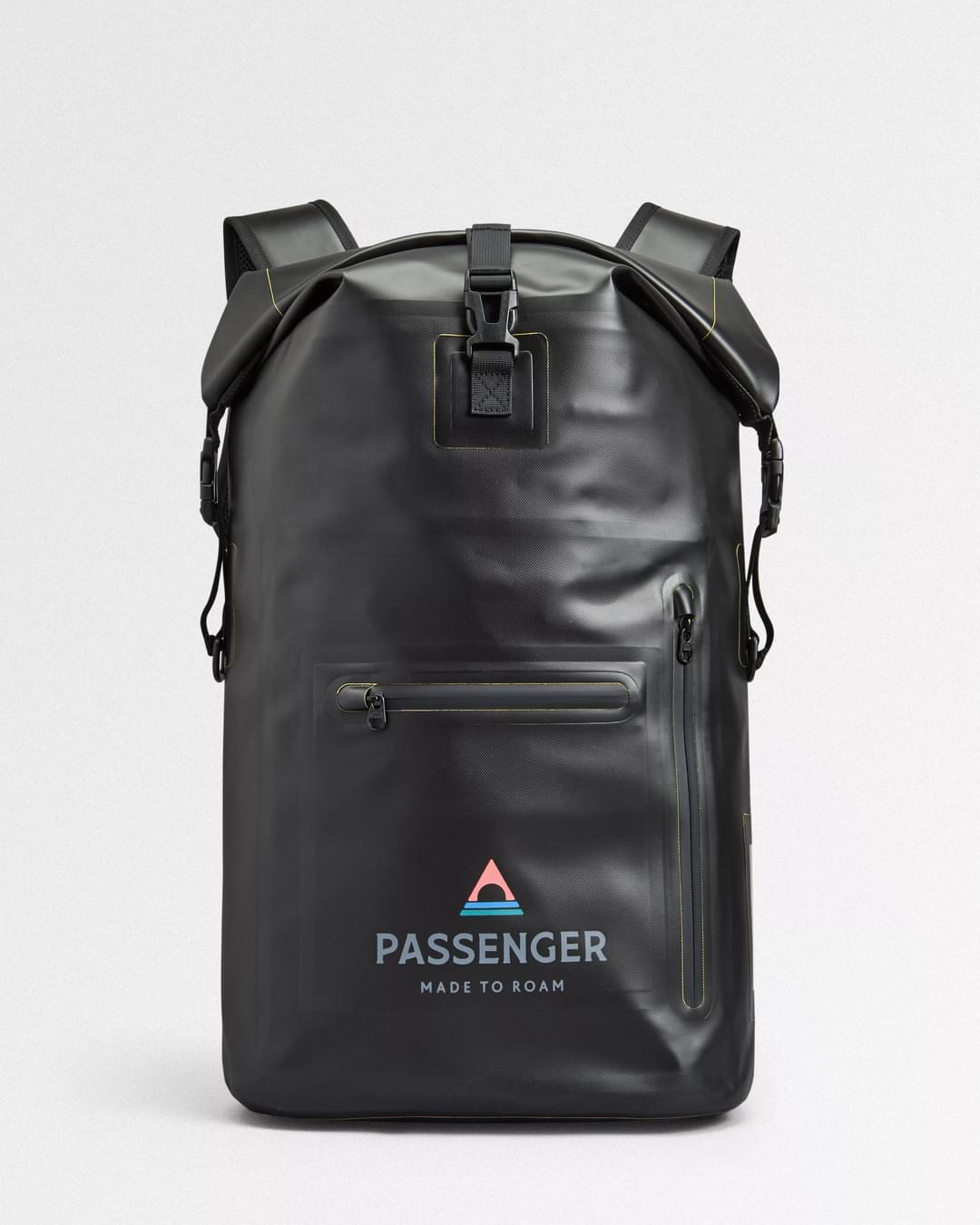
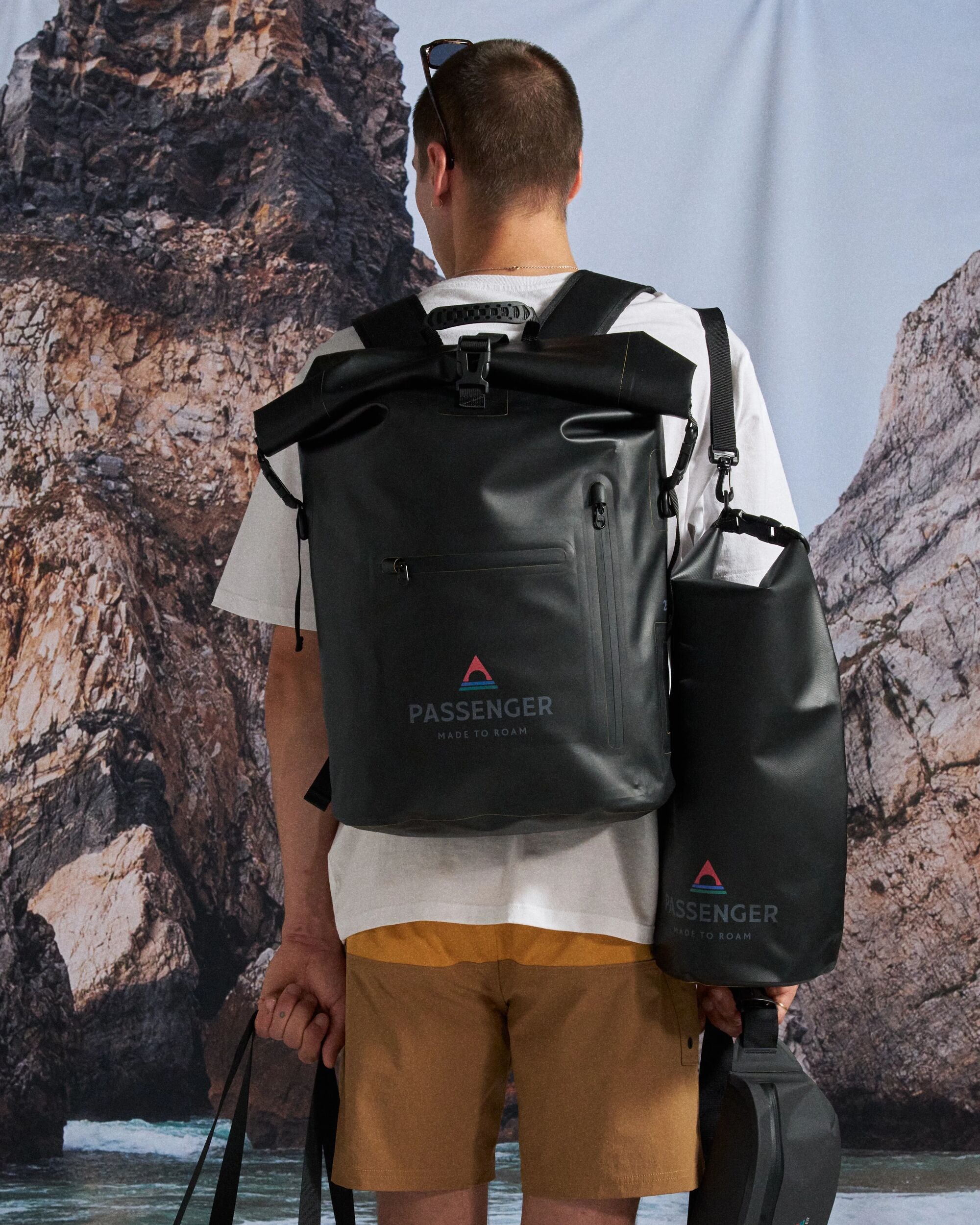
- Drybag backpack. The Passenger Tide 25L Recycled Dry Bag Backpack has a built-in laptop case, so when I went to local cafes to do some work it was perfect, but it also worked as a hike bag, beach bag and our supermarket shop backpack. When you’re living in a van, anything that can do multiple jobs is a winner because there is only so much space. Love me a multipurpose bag.
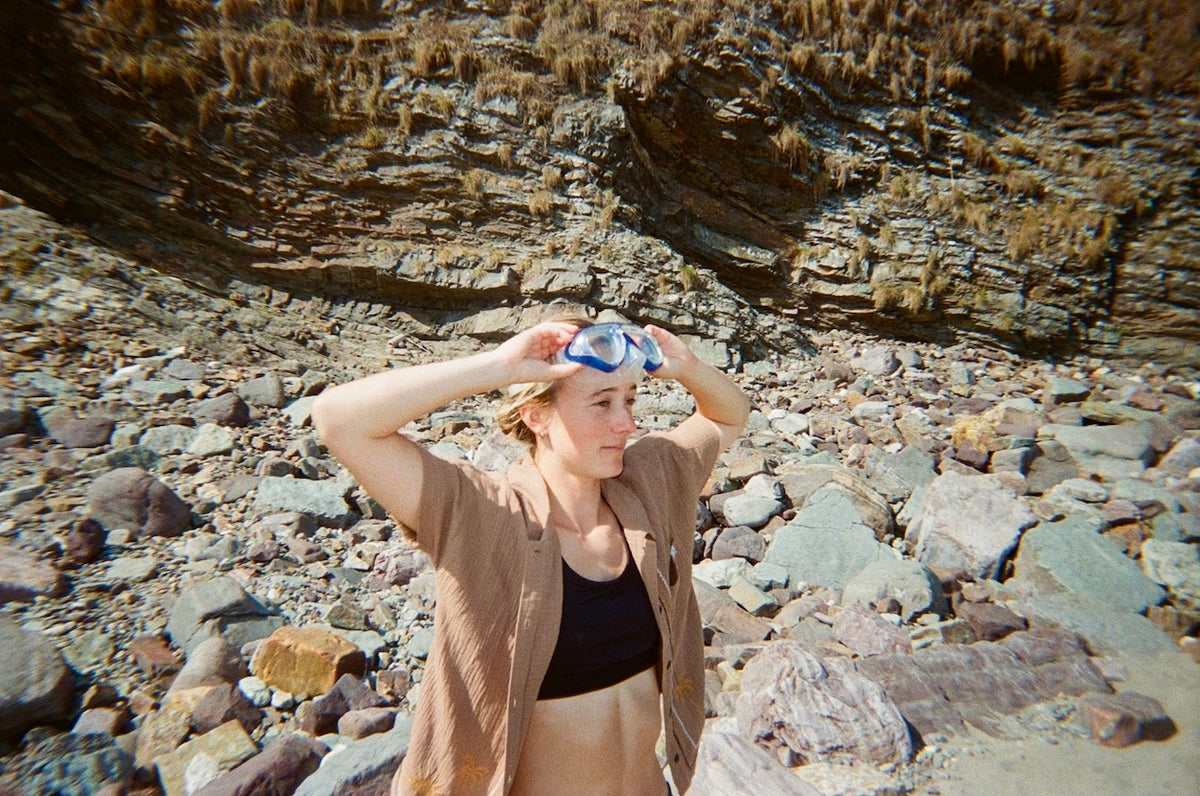
- Snorkel. I personally get a touch of cabin fever when there are no waves. We had a fair few flat days, and bringing the snorkel on the second trip was an absolute game changer. You can find some coves with crystal clear water, which are perfect for snorkelling. This also gave us a completely different way to enjoy the coast, rather than spending the whole trip looking at the sea purely from a surfing perspective (which I can often be guilty of).
- Blackout curtains. It stays light for AGES, which is a blessing and a curse. But if you like waking up early for a dawny session, but like to be asleep by 10pm. I’d recommend lightproofing your van pretty well.
- Wetsuit storage bag. Having a dedicated space to keep the wet wetsuits is a game changer. SO many times we would surf and then straight away head off somewhere different to park up; having somewhere separate to keep the wet bits stops everything getting damp.
Finding our rhythm
Now I am a bit of a planner, I like to have a few different accommodation options for where we are heading. Everyone likes to travel a bit differently, but when we are away for competitions I like to be a bit more organised.
Spain is great for van camping because not only do they have a huge number of affordable, but really nice, campsites, they also have a number of overnight car parks which permit camping for a night.
On the first trip we were definitely more focused on just finding somewhere to park and making it work. It was part of the adventure, but after a few days of living in a van, you start to appreciate the basics a little bit more. A shower, a proper toilet and somewhere to wash all the sand out of your hair suddenly feel like absolute luxury.
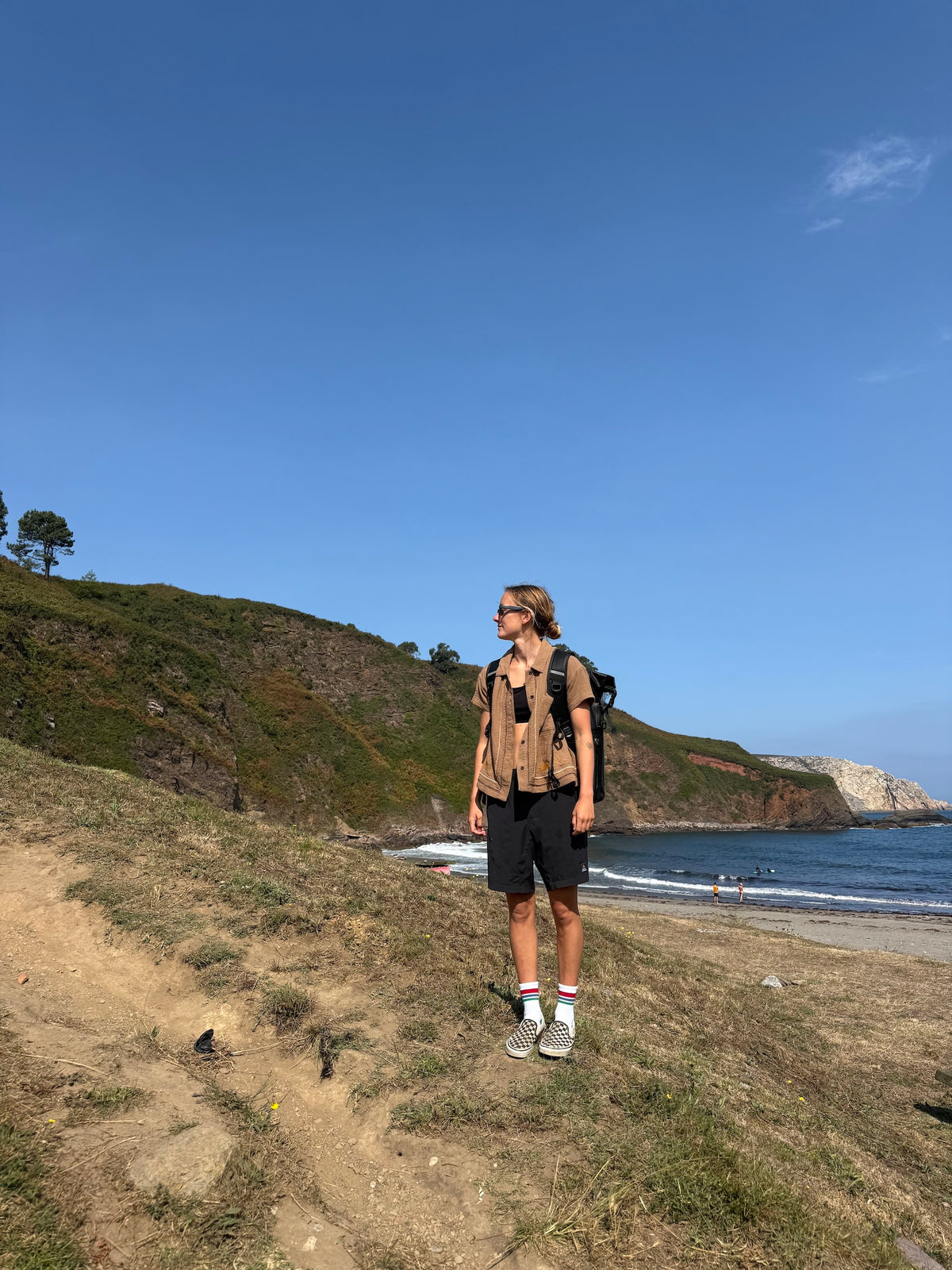
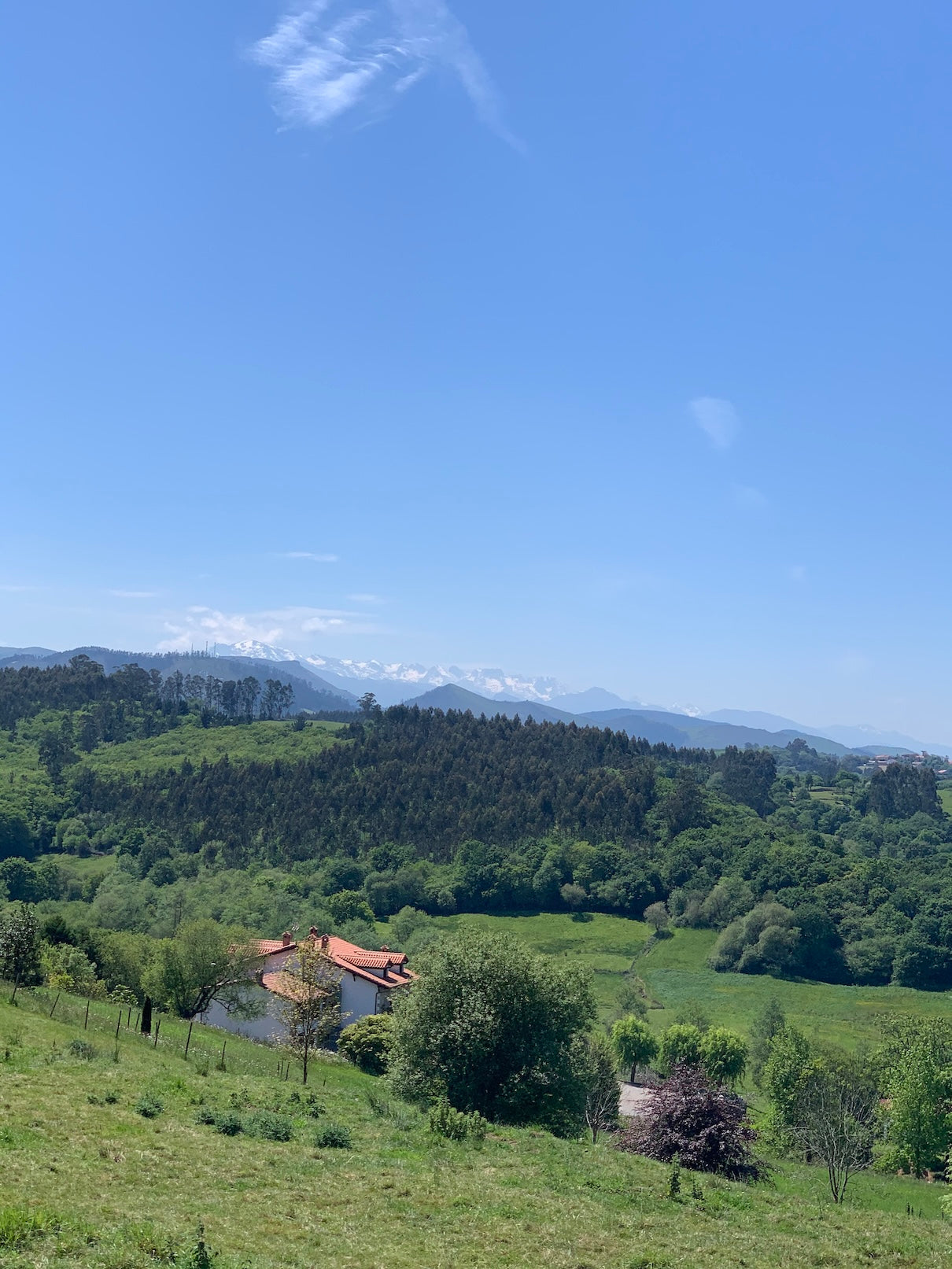
By the second trip, we had found a better balance between having the freedom of the van and knowing when we fancied some actual facilities. We could still find somewhere beautiful to park up, but we also had a few campsites in mind for when we wanted to reset, wash everything and feel slightly more human again.
I think that was probably the biggest thing I learnt from the two trips. Van life doesn’t have to mean completely winging it, and it also doesn’t have to mean having every single night planned. Having a few options gives you the freedom to change your mind, which is kind of the whole point of taking the van in the first place.
One week in San Vicente
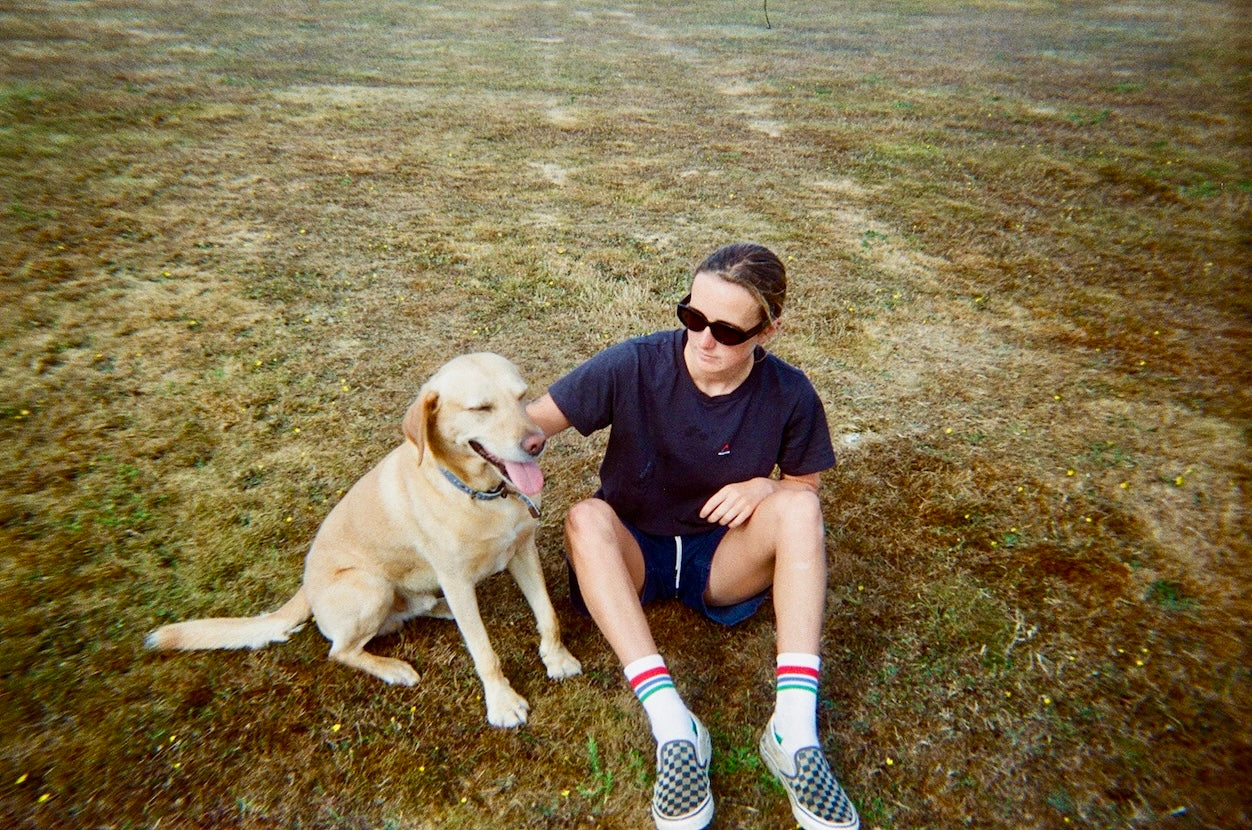
After spending so much time living out of the van, we decided to mix things up for a week and stay in San Vicente de la Barquera.
We stayed at Single Fin Surf Travel, a traditional Spanish house set in the middle of Oyambre National Park, which felt like a pretty good change of pace from waking up in the van every morning. We were there for a training week with Chloe Calmon, so the main focus was still surfing, but having somewhere to come back to between sessions made it feel a little more like a normal week rather than constantly being on the move. We also had some amazing food while we were there, which is always a bonus after a full day in the water.
I think having this contrast was one of my favourite things about the trip. I loved the freedom of the van and being able to move around whenever we wanted, but every now and then it was really nice to stop somewhere for a few days, properly reset and not have to think about where we were going to park that night.
San Vicente was a really good example of that balance, and made a nice little break from van life without feeling like we had completely stepped away from the adventure.
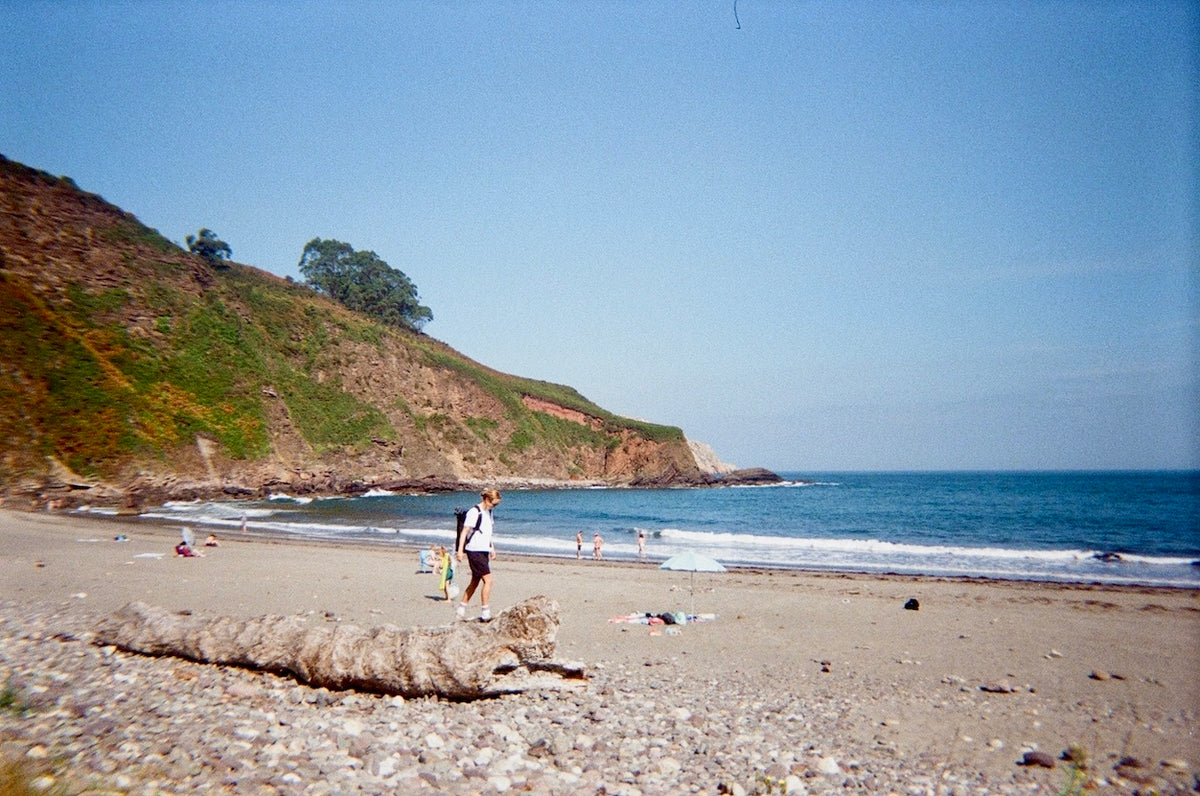
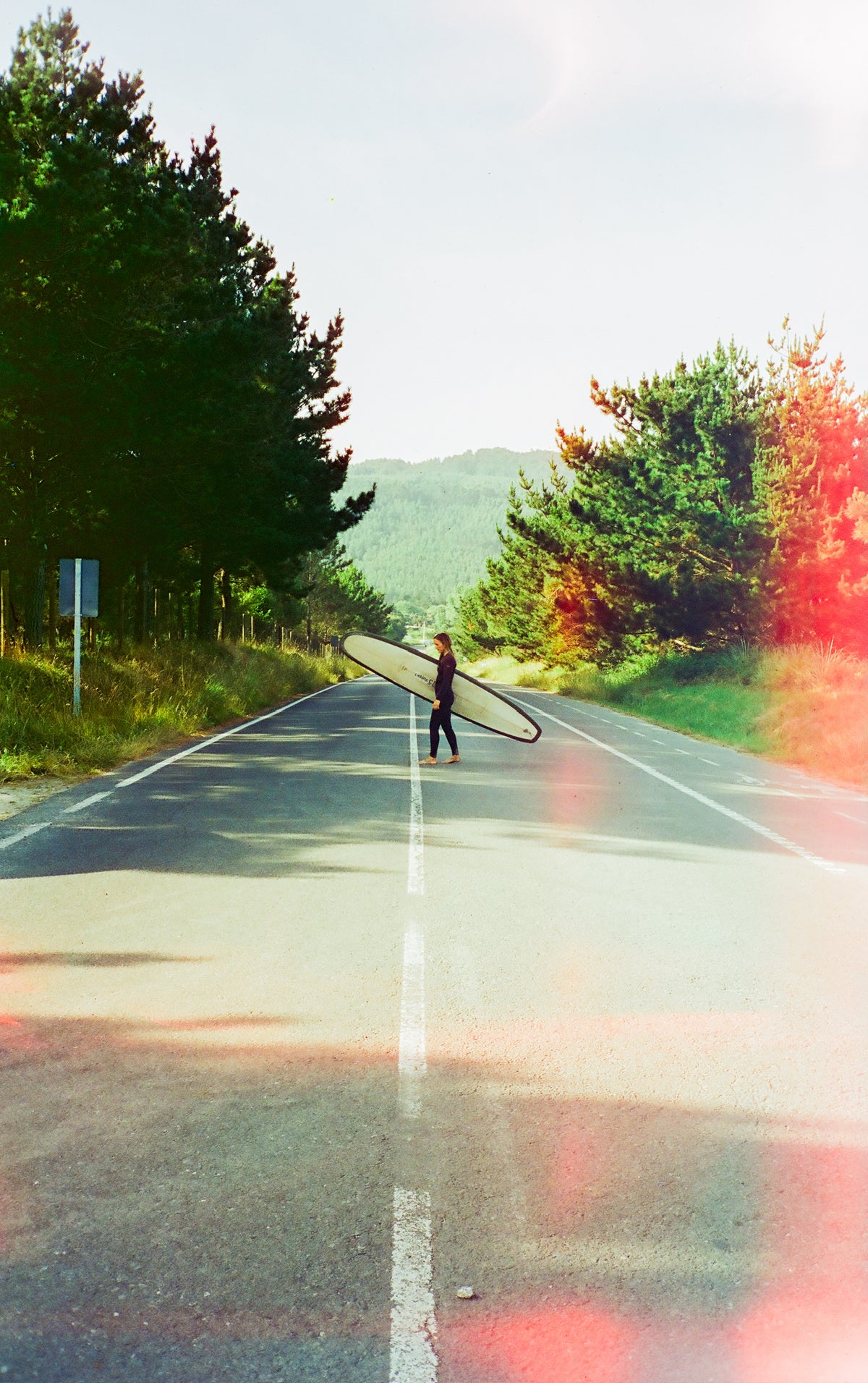
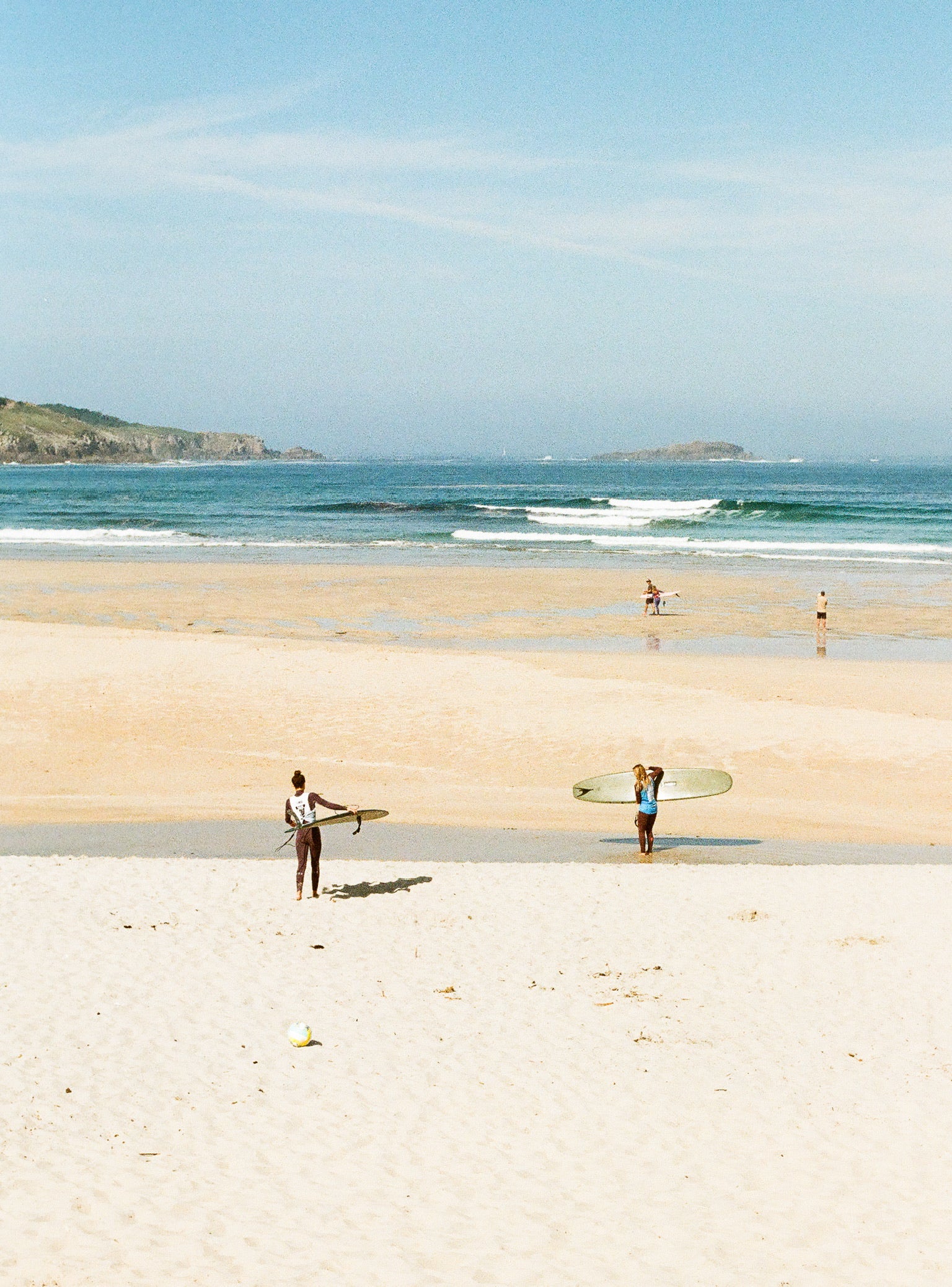
After two trips, I definitely feel like I’ve got a much better handle on van life. I’ve learnt what I need, what I don’t need, and that apparently the difference between a great night’s sleep and a 3am mosquito hunt can be as simple as a £30 fly screen.
I’m already looking forward to the next one!
Beth's Picks




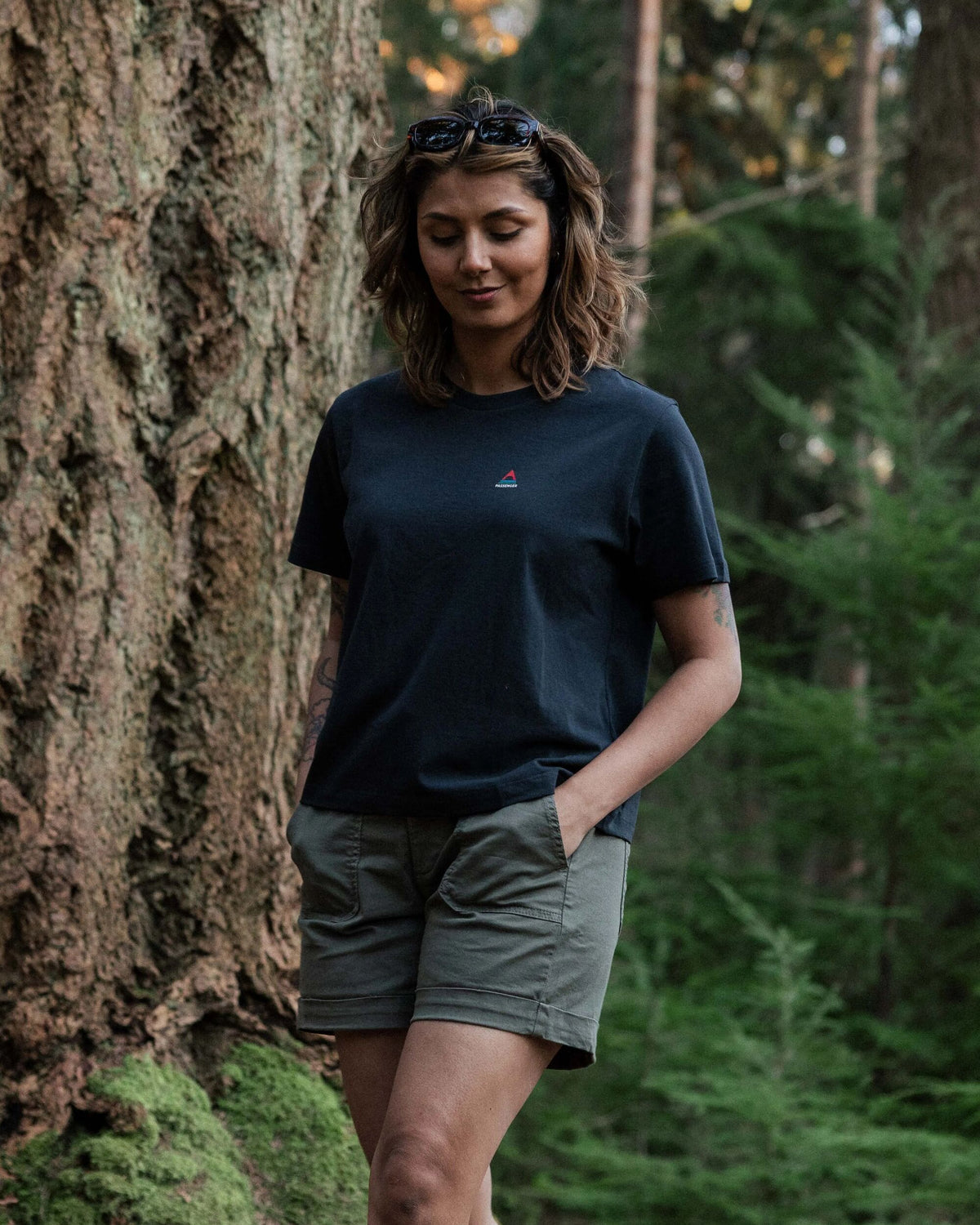
Chemise en coton à manches courtes Waveney


Related Journals
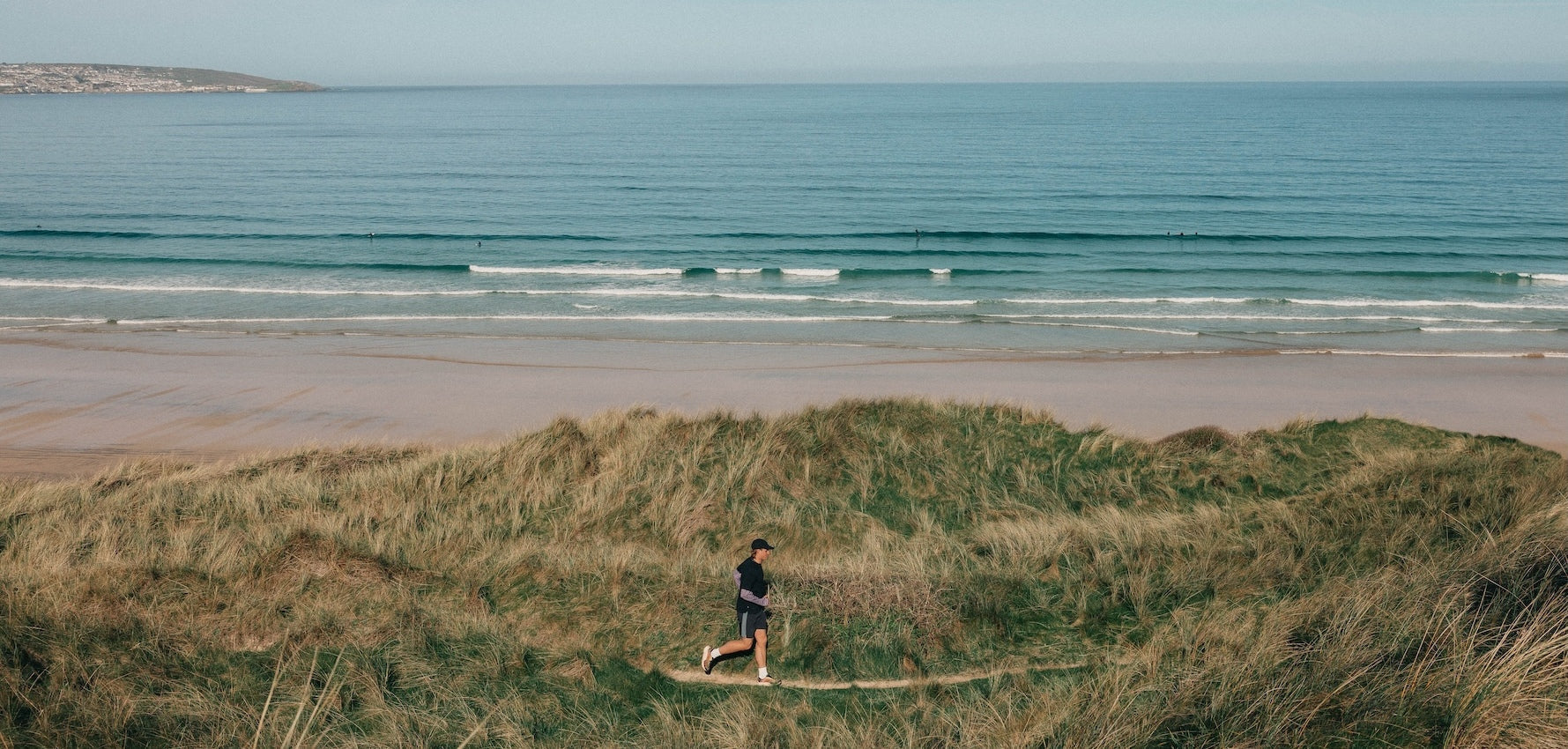
Surf-Running sur 450 kms le long des côtes de Cornouailles
Passenger meets Jonny Parker, just a Cornish guy doing an epic surf-running trip around the coast of Cornwall in aid of Cancer Research UK.

Explorer la côte ouest du Portugal dans un petit PandaVan
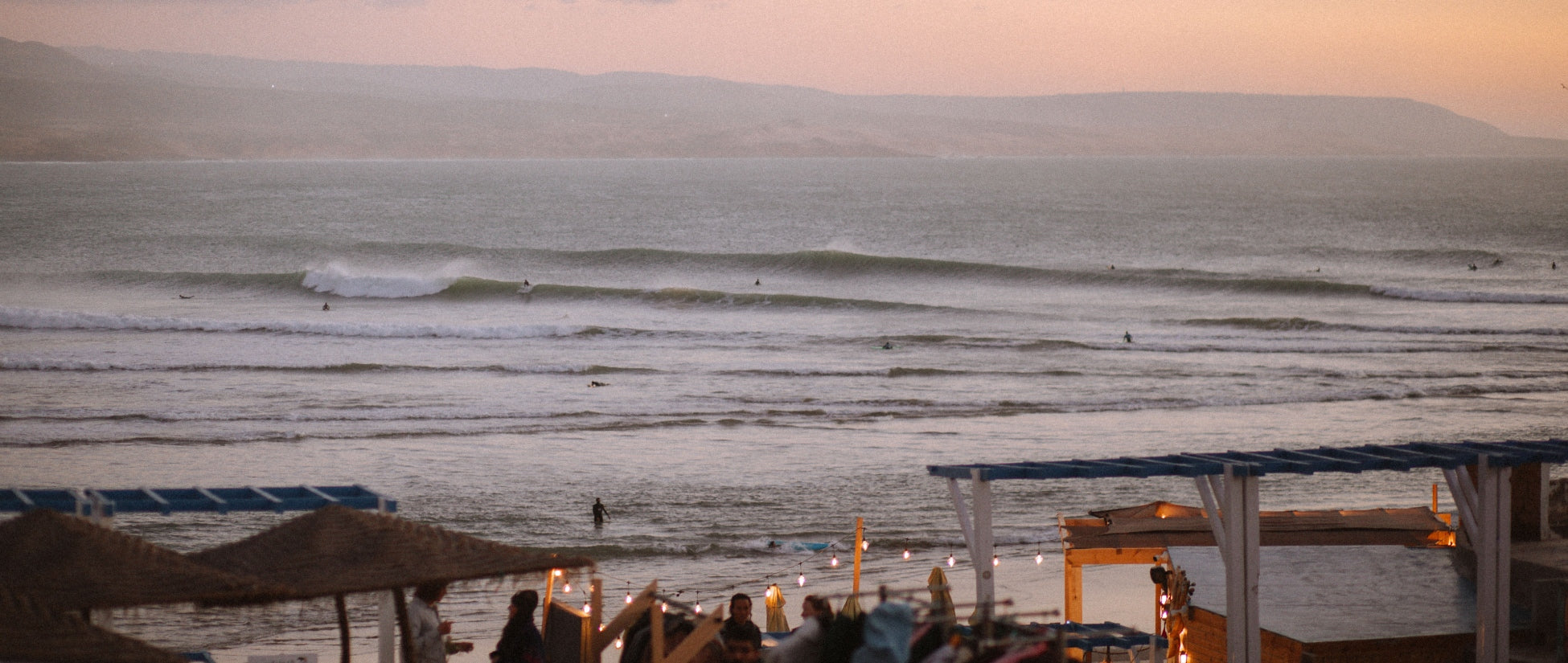
Surf Morocco: 16 Days Climbing Limestone and Chasing Africa’s Longest Waves